![[Column] Sander van Maarschalkerweerd: Replacing advertising music with AI?](Article Images/Key Persons/Sander-van-Maarschalkerweerd-sizzer-marketingreport.webp)
[Column] Sander van Maarschalkerweerd: Replacing advertising music with AI?
It is becoming easier every day to make music. The tools are getting smarter, faster and more accessible to everyone. Music output is being democratised at incredible speed. This creates new opportunities for brands that use music in their communication, especially when it comes to background or functional music. For that category, AI is already highly effective because it can now generate in seconds what used to take much longer to produce. Simple underscore and atmospheric layers have never been faster or easier to create.
But what does AI mean for brands that take music seriously and use it to create emotional connection?
One area where AI is already delivering enormous value is in the way music is organised and made searchable. Smarter tagging, automatic analysis of stems, harmonies and rhythms, improved matching technology and tools that understand context are making music discovery far faster and more efficient. The search for existing tracks has been radically accelerated. What once required days of listening, comparing and scrolling can now unfold in a far more direct and intuitive way. The early stage of a campaign, from gathering references to exploring creative directions, has become smoother than ever.
From there we arrive at the current generation of AI music tools such as Suno and Udio. These systems are, for now, mainly designed for everyday users. Anyone can create a fun little song in a few seconds or minutes. And if you have never tried it, I truly recommend giving it a go and make a small song for your friend’s birthday. It is surprising how playful and accessible the act of making music suddenly feels.
Music professionals use these tools in a very different way. They do not need AI to write a new and powerful track because that creativity is their own. For them, AI is not a replacement but a catalyst. It is a tool that helps them test ideas more quickly, explore arrangements, create variations, manipulate stems and make creative directions more tangible. These professionals are waiting for the next generation of AI tools. They want systems built for experts rather than casual users, systems that can accelerate, deepen and enrich their workflow.
In the meantime we are still in a transitional period. Legally and ethically very little has been clarified. It is not at all clear where AI generated music actually comes from, which datasets have been used, who the rightful owners are, what copyrights apply or whether those rights can be claimed in any consistent way. Transparency is still largely missing. This creates uncertainty for brands, agencies and creators. Before AI can be used responsibly in brand communication we need a solid foundation that provides clarity about provenance, ownership, rights structures and potential risks.
We are in the middle of a revolution in how music is made, discovered and applied. AI accelerates, simplifies and opens entirely new possibilities, yet it also raises fundamental questions about ownership, artistic integrity and cultural value. Output is being democratised, which means that input such as taste, nuance and context becomes the true differentiator. Until the legal fog lifts, we are working in a reality where enormous potential and deep uncertainty exist side by side.
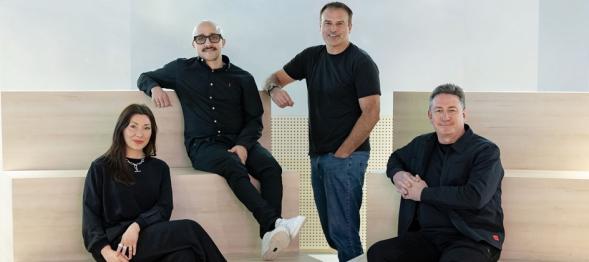
Sander van Maarschalkerweerd is the Founder of Sizzer, Amsterdam
 Follow Marketing Report on LinkedIn
 Subscribe to the Marketing Report Newsletter
 Send us your press releases, columns, interviews…
Join Marketing Report in our LinkedIn Groups